

In addition to all the great content we bring cheer professionals in our quarterly print issue, you’ll find plenty of original exclusive content right here at TheCheerProfessional.com.
Keep checking back for all the latest and greatest news, updates, debates and more!
Know the Score: Unified vs. Universal
jen : December 29, 2014 1:37 pm : In the Industry| Web Exclusives| webexclusive2 For years, cheer professionals have made the call for a massive scoring overhaul—and this season, the event producers have answered. This year, two brand-new scoring systems will be introduced to meet the need for a new approach at events.
“Recently, there has been a push from coaches to unify scoring across the industry,” explains JAM Brands co-owner Dan Kessler. “For many years, scoring was different between event producers, and coaches were having to change their choreography and routines throughout the season.”
To address these concerns, JAM Brands and Varsity began working together several years ago to start aligning their scoring systems more closely, and this year, they’ve joined forces to create the Unified System. Also debuting will be USASF ‘s Universal Scoresheet—which Les Stella says will be in use by a “handful of companies” (including GSSA) throughout the season, but in official use at and after Worlds 2015.
“The best thing about the universal scoring system is that it eliminates the rubric while leaving in attainable benchmarks,” says Stella, who is USASF’s Vice-President of Rules, Safety, Education and Judging. “The universal scoring system brings back the availability for teams to be creative and to be rewarded for their creativity.”
Dan Kessler, co-owner of JAM Brands, suggest coaches check with specific event producers to confirm which universal scoring system they will be using—the Varsity/JAM Unified Scoresheet or the USASF Universal Scoresheet. “The unified system will be used at all JAM Brands and Varsity Events, as well as Epic Brands, US Finals and other EPs that have chosen to use this system,” Kessler adds.
What are the differences between the two? “The bones of the systems are very much the same,” says Kessler. “The scoring categories found on one are also found on the other.” While the categories—from running tumbling and tosses to jumps and pyramids—found on each scoresheet are similar, there are key differences:
Majority vs. Most: The number of participants executing level-appropriate skills can deeply impact a team’s score. A majority (1/2 plus 1) of participants are required to execute a level-appropriate skill “to score in the medium or high range for difficulty” on the Universal Scoresheet. In certain categories, such as running tumbling, on the Unified Scoresheet, a team requires most (75 percent) of its participants to execute a level-appropriate skill in order to score in the high range.
Point Ranges: The low-to-high point metric differs per scoresheet. If the skills performed meet low-range requirements, then a team will score a 7.5 to 8 range on the Unified Scoresheet. The same situation will score that same team 1 to 3 points, depending on the category, on the Universal Scoresheet.
Safety First: Penalties for athlete and building mishaps vary per scoresheet. An athlete who touches down with hands or knees in jumps or tumbling is a bobble and one-point deduction for each occurrence on the Universal Scoresheet. However, on the Unified Scoresheet, the same scenario is considered a fall and is a .25 deduction.
For his part, Stella is energized about the Universal Scoresheet, adding that representatives from the entire industry have helped create this new scoring system. He believes it should be an easy adjustment for gym owners and coaches to embrace. “There has been overwhelming support for the universal scoring system,” Stella said. “Any coach that has been around for more than five or so years will understand how to prepare their team.”
–Christina Hernandez
Spotlight: World Cup’s Joelle Antico and Elaine Pascale
jen : December 16, 2014 2:07 pm : In the Industry| Two Sides| Web Exclusives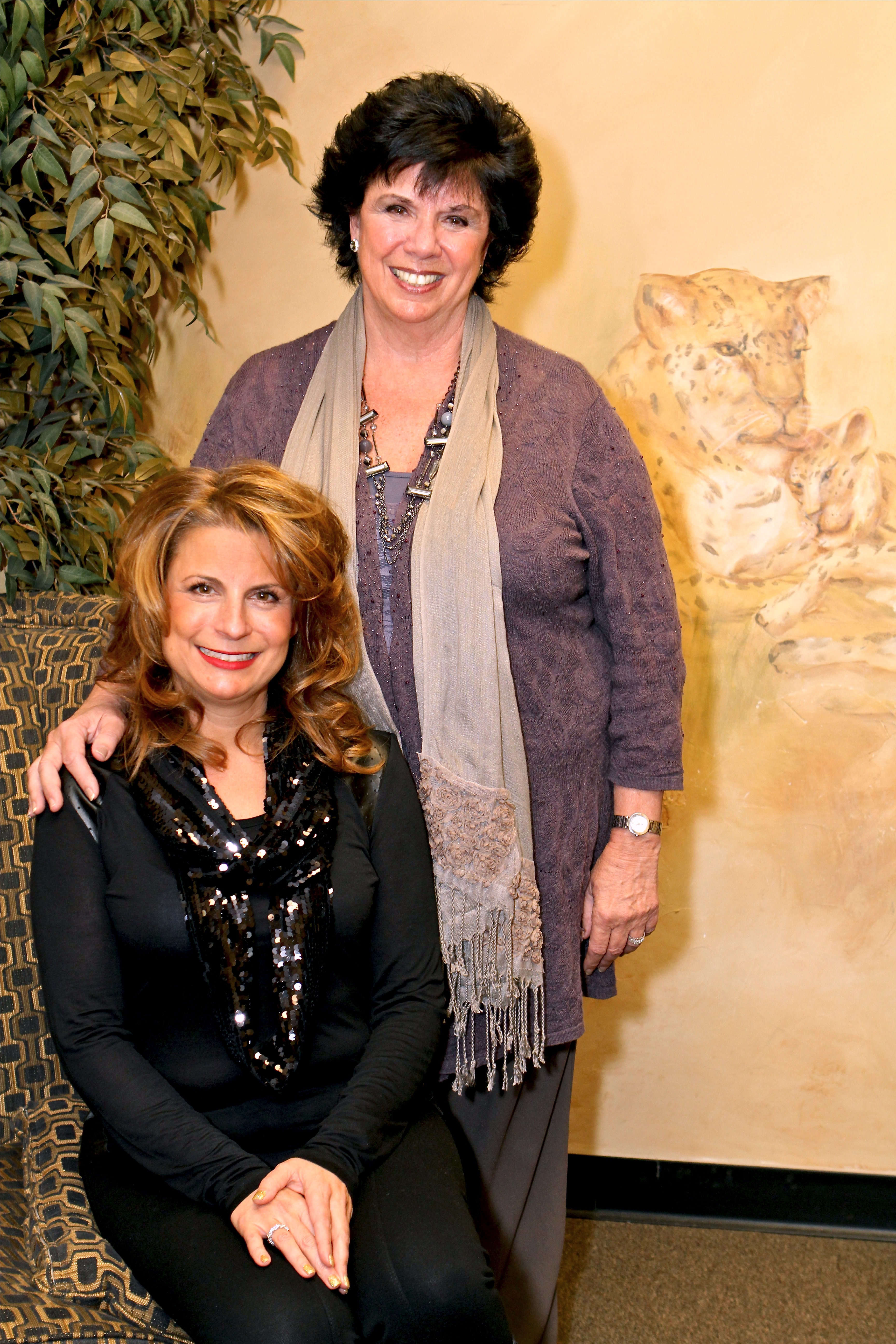 For 20 years, Elaine Pascale and Joelle Antico, the mother-daughter juggernaut behind New Jersey-based World Cup All-Stars, have been churning out a steady stream of athletes—an admirable feat for anyone, let alone a one-time schoolteacher and an accountant.
Arguably one of the most recognized all-star programs in the nation, World Cup has amassed a trove of trophies and awards—including three Worlds championship titles, seven NCA national champion titles, and first place at The Majors 2014. And while Antico credits “karma and good business practices” for their two-decades long successful stretch in business, there’s also a collegial and harmonious relationship between the two women that keep the doors open and athletes clamoring for spots on their coveted teams.
“We joke that we’ve been together since our past lives,” said Antico.
“I start a sentence and she finishes it,” added Pascale.
The team is, of course, the esteemed Shooting Stars, regarded for stunning win after win after win. But developing a high-octane Level 5 team wasn’t always the plan. Antico and Pascale started out coaching Freehold, NJ area girls on the local Pop Warner team simply for enjoyment. A harbinger of future success, the team brought home a National Championship in 1992. After that win, “the kids made it clear that they wanted more,” said Antico, who, along with her mom, agreed to lead a rec team on a volunteer basis. Dubbed World Cup, the team earned another National Championship in 1995. Then Pascale’s husband passed away suddenly in 2001 and coaching for free was no longer sustainable.
“That’s when we turned it into a business,” said Antico, who this year was nominated for Program Owner of the Year by USASF along with Pascale.
 And business is good. What began as a gym with four teams has ballooned today into 24 teams, 600 athletes, 20,000 square feet of training space, a staff of 35 and a thriving online pro shop hawking T-shirts, workout gear and sports bras—all emblazoned with World Cup’s logo. Recently World Cup acquired two Pennsylvania gyms—Rocket Elite and Keystone Extreme (renamed as World Cup Genesis and World Cup Phoenix)—teams that will absorb World Cup’s choreography, music style and famous black, gold and white colors. The two gyms will also subscribe to the World Cup business model, one that ensures, said Antico, “they won’t fail.”
“We focus on the business side of the gym, collect tuition in the beginning of the month and cover the operating expenses,” said Antico. “Numbers don’t lie and that’s why we’ve been around for so long.” [See page TK for more on the franchising trend.]
Smart money management aside, the athletes’ high skill level and deep reservoir of awards have also garnered World Cup media attention. Besides a 2013 Internet documentary that chronicled the Youth Level 5 Twinkles in their quest for first place at the NCA All-Star Championships, World Cup and its athletes have walked in parades and performed alongside Hollywood celebrities. And while the documentary, Twinkles: Chasing Perfection, was raw, real and well received, not all of the press has been welcome.
“The reality shows have been dying to get us on television for years,” said Antico. “But I won’t put the girls through that kind of pressure.”
Antico’s mama bear protective instinct isn’t surprising—her daughter Gianna, 12, is a flyer on the gym’s Junior Level 5 team, the Starlites. Since she’s the daughter and granddaughter of the owners, an admittedly tough spot for the green-eyed dynamo stunter, Antico tries to shield her as much as she can from any notoriety and instead, encourages her to focus on the sports’ benefits; athleticism, camaraderie, teamwork and good sportsmanship.
“They try out as individuals, but we teach them how to be on a team,” said 70-year-old Pascale, known as “The Godmother of Cheerleading,” a moniker she earned after co-founding and chairing the NACCC for a decade. Despite recently stepping down from that role, Pascale isn’t planning on slowing down. This year Pascale, a piano player who nearly attended the prestigious Juilliard School, wants to see World Cup focus on “the musicality.”
“I want to see routines that the kids can enjoy,” said Pascale who, in a twist, eschews the traditional push for athletes to continue cheering in college.
“We don’t care if our girls cheer in college; we just want them to go to school and get a degree,” said Antico.
Besides education, safety is the number one priority. “The sport gets more difficult every year,” said Antico, who co-founded the NACCC with her mother. “The skills are harder and higher, but that’s why the NACCC is so important because they protect the athletes.”
One-on-one attention is also part of keeping athletes safe and striving to be better. On a recent afternoon, Pascale remembers chatting with an athlete struggling to nail a difficult move. “I told her she would get it,” said Pascale. “[I said], ‘We just have to put you back in the pot and add some salt and pepper.’”
Sounds like a recipe for success.
–Molly Blake
Let’s Hear It for The Boys
jen : December 10, 2014 12:49 pm : Down to Business| Web Exclusives| webexclusive1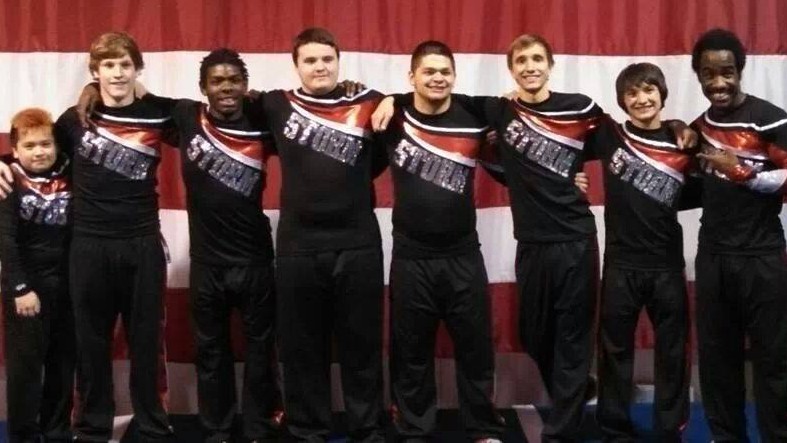 At ACE Cheer Company, the colors of choice are bold reds and blacks, the teams have names like “Comanches” and “Warriors,” and the music is carefully chosen to appeal to both sexes—all part of a finely honed marketing strategy to attract male athletes. “Our marketing and imagery for the coed program is masculine,” says ACE’s J.R. Zeringue. The approach continues on the mat as well: “We always offer high fives and change our verbiage to ‘dog,’ ‘dude,’ or ‘man’” to make male athletes feel more comfortable.”
ACE is solidly on the right track, but not all gyms are as adept at recruiting and retaining male athletes. Though getting female cheerleaders into the gym is rarely a problem, the ratio of male to female athletes can often be highly imbalanced. That doesn’t mean it’s impossible to get boys into the sport—it just means gym owners might need to get creative and put in a little extra effort to pique their interest.
B.Y.O.B. (Bring Your Own Boy)
Successful recruitment of male athletes often relies on one surefire marketing tactic: the girls. Some gyms host themed “Bring a Boy” nights or weeks where current cheerleaders bring male friends or boyfriends, or stunt parties where the cost of admission is bringing a male to the event. The goal? That once prospective male athletes see the sport up close, they’ll be hooked.
“A lot of our boys are recruited by girls that they are friends with that currently cheer [with us],” says Melissa Torres of Island Xtreme in Plainview, New York. Gym owner Michael Talbot agrees. “You don’t have many male athletes that just walk into the gym asking to be a cheerleader,” says Talbot, who owns Norwalk, CT-based Xtreme Cheer.
But, especially once athletes are in high school, the girls will get them in. Talbot’s gym runs open tumbling classes that attract boys who want to learn to flip, and they also emphasize the fact that taking tumbling and cheer classes can help male athletes in any other sport as far as body awareness, strength and balance (which can be another selling point for male athletes—and parents—who might be on the fence).
Starting Them Young
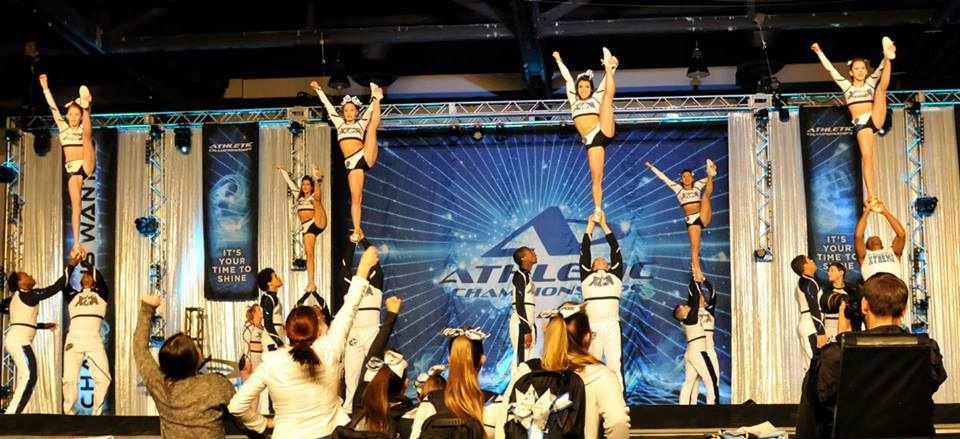 Even though the girls might help get older athletes into the gym, some gym owners believe it’s most effective to get boys interested at a very young age—when they’re relatively fearless and will try anything. One way to do so is to offer creative tumbling classes specifically catered to young boys (such as “American Ninja Warrior” or superhero-themed classes). Case in point: CheerForce Orange County, where owner Jasen Aldridge offers “Superhero” tumbling classes for “little guys who want to fly.” The young athletes wear capes and impersonate their favorite comic book and movie heroes—all while learning how to tumble and slowly entering the sport.
Zeringue of ACE Cheer Company and Torres of Island Xtreme take the opposite viewpoint. Zeringue believes that ages 11 to 14 are when younger males really take to the sport and stay in it for longevity,” and Torres says there’s less stigma to fight once kids are a bit older.
“With older athletes, you tend to be able to appeal to a certain aspect of their ego. I am not saying that they are egotistical at all—rather, they are more aware of what they are going to do, and they want to look strong and do something that takes skill and strength,” says Torres. “I do think that younger is harder, because you are still fighting a social stereotype in the minds of the parents: ‘Boys don’t do cheerleading; that is for girls! Boys play football, hockey, baseball, basketball, soccer….’”
One Part Inspiration, One Part Perspiration
Mentoring and scholarships are also important means of bringing male energy into a gym. Having male coaches who can guide and inspire male athletes can prove essential; some gyms also bring in nearby high school and university cheerleaders to work with new male athletes.
“Mentoring is a large part of our program,” says Zeringue. “Several young men come to the gym with little to no father figure and we are the only father-like figure they know.” Heart of Cheer co-founder Pam Swope concurs, saying that having male coaches to mentor athletes “shows the males on the team that they can grow and continue to work in cheer doing what they are doing.”
Free tuition or special scholarships are other surefire ways to bring in male athletes, but many see this as an unwise practice that may not be fair to the paying female athletes. “The owner’s perspective on that is: why offend long-time customers to bring in a possible male athlete?” explains Swope.
No matter which methods your gym uses to attract male athletes, doing so can truly help balance the energy and efforts of your program—and grow your client base overall.
–Dina Gachman
Certified Platinum: Platinum Athletics
jen : December 8, 2014 1:31 pm : In the Industry| Web Exclusives| webexclusive2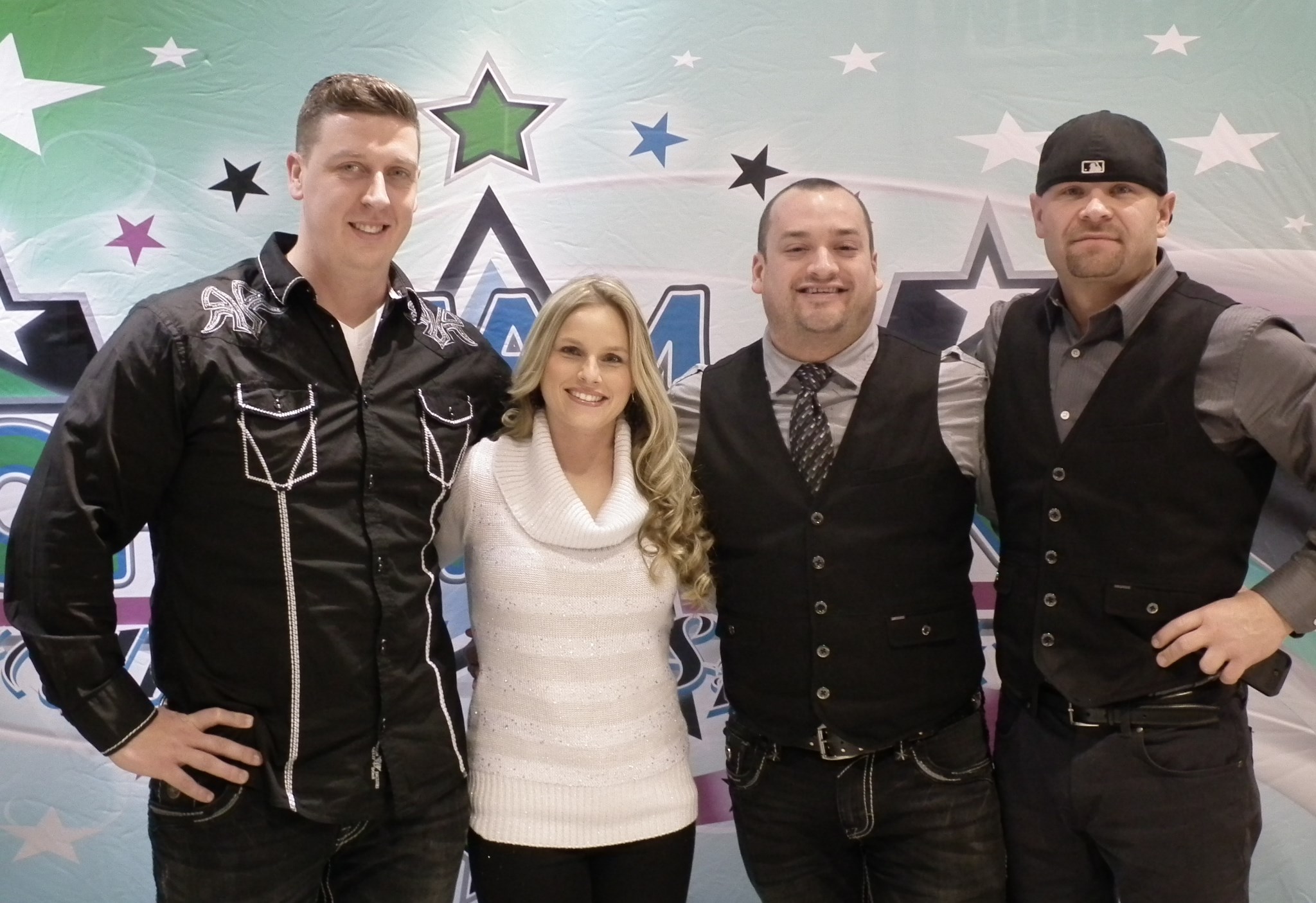 Platinum Athletics doesn’t mess around. The small Midwest gym represents its region with steely resolve—and the industry is taking notice. The 2013-2014 season was the emerging program’s best one yet, thanks to coach Kyle Gadke being nominated for USASF’s “Choreographer of the Year” award, its Level 2 team placing eighth at the Summit, and the gym’s second full paid bid to Worlds in three years. (To date, Platinum Athletics is the only coed team from Missouri to receive a fully paid bid.)
Reaching this point hasn’t been easy, but then, things never have gone that route for Platinum Athletics’ owners, Kendra and Adam Rufkahr.
Growing up in a small town never stopped Kendra, née Huddleston, from going after what she wanted. Unfortunately for her future husband Adam, during college in St. Charles, Missouri, the double threat gymnast/cheerleader knew she didn’t want Adam as her stunt partner. He was not one of Lindenwood University’s burlier male cheerleaders, even though he was as strong as anyone on the school’s squad.
So marrying Kendra, having children together and becoming business partners at Platinum Athletics in Maryland Heights, Missouri, would transpire the hard way. Adam started with proving himself a worthy stunt partner and helping their team go on to win numerous national titles. (He’s not one to shy away from a challenge.)
 Eventually, Adam won her over. “Things really started clicking,” Adam says, looking back 11 years and one daughter later with Kendra. “And obviously there was a little more interest than stunting.” The two married after graduation, taking their partnership to the next level.
Things didn’t go much smoother when Adam met fellow Lindenwood squad member Kyle Gadke. Though Gadke went on to work with the Rufkahrs nearly his entire coaching career, he and Adam clashed during their early college days. Cheer ultimately provided common ground for the young men who grew to become trusted friends, team members and even better colleagues.
A lot of what would transpire during Kendra and Adam’s post-graduate cheer years would prove just as arduous. When Kendra was offered the cheer director position in 2007 for a tumbling gym’s competitive cheer program after graduation, she brought Adam and Gadke with her as coaches. Adam, who spends his days as a software developer, coached at night. He couldn’t help participating in a sport he’d become so passionate about, and the pretty lady in charge was keen on him by then.
When the Rufkahrs’ vision for the program did not line up with the gym owner’s ideas, they parted ways in 2009. That left at least 100 kids without their trusted coaches. It quickly became clear to the Rufkahrs that the responsibility to their athletes went beyond paychecks. With three competitions left in the cheer season (one of which was a Worlds bid competition), they needed to spring into action to create their own gym, which would become Platinum Athletics. “We basically started from scratch,” Adam says.
While the pair lined up the bricks and mortar, parents offered up their homes and garages, assembling uniforms and bags, printing fliers and more. Adam and Kendra borrowed space at nearby gyms in a pinch. They needed new uniforms, fresh choreography and a catchy program name—stat.
“It definitely taught us how to utilize our time and get stuff done when the pressure is on,” Adam says. “At the end of the day, it’s like ‘How in the world did we do that?’ But at the time we didn’t really have an option. It was either that or fail, and that is not something we like doing.”
The coaches, Adam says, have been most vital to Platinum Athletics’ success. Every member of the coaching staff participates and has a voice in management decisions, particularly Gadke who has worked with the Rufkahrs since after college. With their staff’s support, the Rufkahrs vision helps the young program continually produce winning teams. “Having a staff in place that is passionate about its job, that is motivated to do well, is key,” says Adam.
Platinum Athletics stays about 100-125 competitive members strong between cheer and hip-hop, despite their growing number of teams. They do not focus on putting as many kids on the floor as possible, instead prioritizing the quality of the teams and choreography. It’s quality over quantity for the Rufkahrs, and every level is as important as the next.
There is no go-big-or-go-home thinking at Platinum, opting instead for clean routines. “We try to balance that line between execution and difficulty and consistency,” he says. “We want people to know at competition that we will be tough to beat.”
And they have demanded attention and respect in the cheer world, right from the start. In 2010, during their first season with a gym to call home, they earned their first Worlds bid. They have made it to Worlds four of the last five years, two of which were fully paid.
And while they love experiencing the excitement of Worlds through the eyes of their athletes, national competitions also afford the owners and coaches the opportunity to grow. They use the events to network, adding to their collection of industry contacts whose brains are ripe for the picking.
“It’s like continued education,” Adam says. “We always need to stay on top of what we’re doing and be open to new ideas and new ways to train. As quickly as our gym is evolving, if you aren’t moving forward you’re falling behind.” And that, too, is not an option.
–Arrissia Owen
Franchising Case Study #1: Midwest Cheer Elite
jen : December 3, 2014 1:01 pm : Down to Business| Web Exclusives| webexclusive1 In recent years, there’s been a major trend in the all-star cheer industry of large gyms either buying out or lending the use of their name to smaller gyms. In many instances, it appears to be a win-win situation: the larger gym is able to expand to more cities and grow its brand, while the smaller gym receives more credibility and business support. CheerProfessional talked to the owners of three cheer gyms who are giving franchising a try—and reaping the benefits.
Franchise Case Study #1: Midwest Cheer Elite
Midwest Cheer Elite has four locations in Ohio and Kentucky. Two of them are operated exclusively by MCE owner Tanya Roesel, and the other two are partnerships. In spring 2015, the program will begin offering a traditional franchise opportunity.
What inspired you to offer franchising? We usually get 10 to 15 inquiries a year about wanting to open up a Midwest Cheer Elite, or asking if we can come to a specific area. Each one is a little different.
How does it work? When we go into traditional franchising, what happens is they’re basically paying to use the name and follow all of our procedures, but on a legal end, I’m not “the partner.” They can pay me to do consulting for them, and they basically get the bible on how to be a Midwest Cheer Elite, including all of our policies. We’ll send people out to train them. It’s a big jump because you’re basically allowing your name to be used and having to trust that it will go the way you want and it’s going to be the same product.
How did you prepare for this? Partnering with other people has helped a lot. We’ve spent almost seven or eight years in partnerships with other locations, and I think that was the best bet. I don’t know that I would’ve gone from owning one location to just franchising because I’ve learned a lot from partnering or opening up multiple locations. Now, going into a franchise, I know to write in there that if something traumatic happens, they can still be Bobby’s All Stars, but they’re not going to be Midwest Cheer Elite anymore. We can pull our name away.
What are the benefits of franchising? I look at it as a way to get our product out to places we wouldn’t otherwise be able to. I’m not going to be able to go into an Arizona market and grow that company right away, because I’m not from Arizona and I don’t know their demographics. If somebody from Arizona wants to open up a Midwest Cheer Elite, I can give them the tools to make it successful.
Another advantage for those gyms—all the new Top Guns and Cheer Athletics, etc.—is they get the quantity discounts. Suzy’s gym might be ordering 12 pair of Nfinity shoes, whereas maybe we’re ordering 1200 pairs. The negotiating power is a little higher. Also, every gym has a unique set of coaches. It offers the athletes diversity, because I can send my staff from Westchester to my Florida location and those parents are getting something different for that particular week. I have one of the top Worlds co-ed stunters here at my Westchester gym, so now I’m able to share his talent with my other locations.
What advice would you offer other gyms thinking about offering franchising? There are a lot of state laws in franchising, so I’d tell people unless you’re really well-versed in franchise law and all of the things that have to happen, you’re often better off hiring a company that can get all of your corporate books together.
–Lisa Beebe


