

In addition to all the great content we bring cheer professionals in our quarterly print issue, you’ll find plenty of original exclusive content right here at TheCheerProfessional.com.
Keep checking back for all the latest and greatest news, updates, debates and more!
A Place Among the Giants: Brandon All Stars
jen : May 7, 2014 11:54 am : In the Industry| Web Exclusives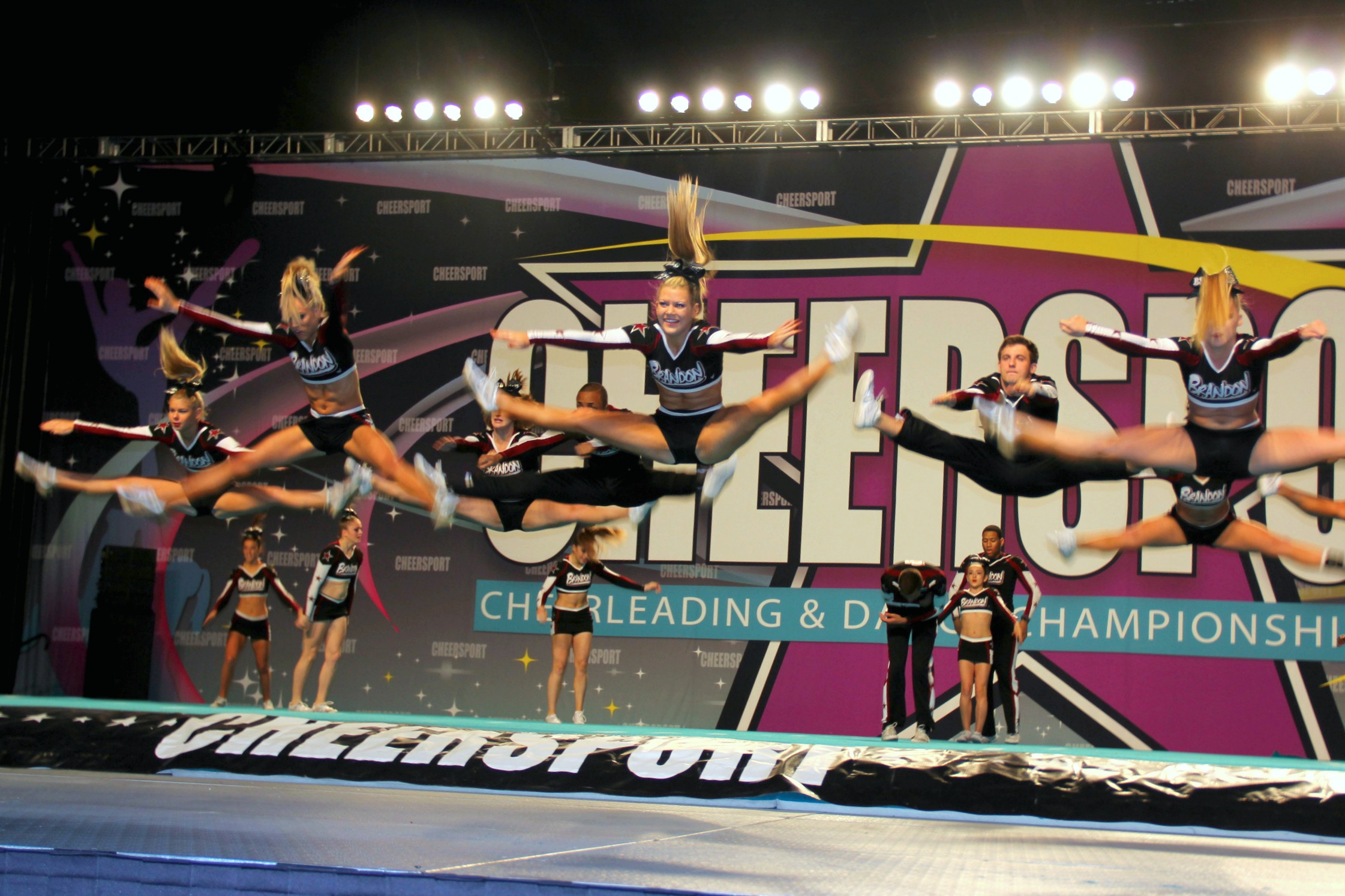 We’re all familiar with the cheer powerhouses, organizations like Top Gun, California All Stars and Cheer Athletics, whose names and accolades easily come to mind. But among these giants, Brandon All-Stars has slowly and quietly emerged out of Brandon, Fla. (a suburb of Tampa), and is poised to take its place in the spotlight.
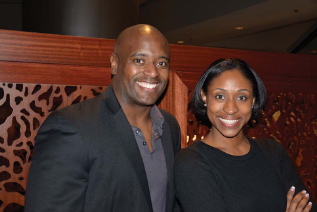
Brandon’s road to the big leagues began in 2005 when co-owner and President Peter Lezin took over the reins from founder Rhonda Cummings. When Cummings first opened Brandon in 1995, it was a recreational organization, whose attention slowly turned to competition. For Lezin, a veteran head instructor for NCA and former USF cheerleader/coach, the biggest challenge in the takeover was leaving that recreational mentality behind. “A billing system had to be put in place and a professional attitude needed to be displayed as well in all areas of the business,” says Lezin.
Enter Joslynne Harrod, Brandon’s Vice President and co-owner. A former Florida State cheerleader and four-year head instructor for NCA, Harrod and Lezin formed a friendship in the late 90s when both worked for the national cheer organization. In Harrod, Lezin found a unique opportunity—an accomplished, competitive coach with a head for business.
“I am a CPA by trade and am always thinking about the numbers,” Harrod said. “Peter is definitely the more free-thinking, creative part of our business.”
 If the results are any indication, this is a successful collaboration. In the near-decade since their formed partnership, Brandon has tripled in size, currently training upwards of 300 all-star athletes per year from Levels 1-5. They’ve also turned out consistent performances that fuel their growing reputation for solid stunting and snatch top rankings—most recently at Jamfest Supernationals, Athletic Championships and Worlds, (where in 2011 and 2012, they earned Gold and Silver, respectively, in the Small Senior Limited Coed 5 category).
Lezin says when it comes to training they focus on technique, as well as “perfection before progression,” with the aim of zero deductions during judging. Their motto on the floor is simple: “If you do hit, you might win…if you don’t hit, you won’t win.” The rest, says Lezin, “is up to the judges.”
That attitude of “do your best and don’t worry about the rest” has helped Brandon navigate Florida’s all-star culture—one that in the past, Lezin admits, was “hostile” but grows increasingly cooperative as “more and more gyms [find] their niche.” To that end, Brandon has developed strong relationships with many of their cohorts: Cheer Corp, Top Dog, Top Gun, Premier and Cheer Florida to name a few. The kids have followed suit. This movement towards cooperative connectivity, aided by the rise in social media and the cheerlebrity phenomenon, may have driven what Lezin calls the industry’s latest trend—a shift from “team” to “individual” recognition. “I think that’s just the nature of the beast because the kids are all so connected now,” said Lezin, “whereas before all you knew was a certain team and not the individual.”
So what’s next for Brandon? The goal is two-fold. First and foremost, Lezin and Harrod aim to shape their cheerleaders into productive members of society, whose athleticism will serve to broaden their educational opportunities. Second, they want what every competitive cheer organization standing on the verge of greatness wants: to secure their place among the giants, as an industry leader and household name.
In April, they came one step closer to realizing that dream when Brandon marked its cinematic debut in Champions League, a “cheer documentary” that traced one night of fierce competition among 30 of the country’s most celebrated teams. Says Lezin, “Champions League is a game changer [for Brandon].”
We shall see.
The Wide World of Supplements
jen : May 5, 2014 7:02 am : Mind, Body & Soul| Web Exclusives| webexclusive1 In Morgantown, W. Va., all-star gym Champion Training Academy sells USANA nutritional supplements and weight loss products as part of its adult weight loss/group fitness program. Over in Katy, Texas, Xcel Athletics All-Stars hosted a Valentine’s Day shopping event earlier this year at which one of the vendors was Advocare (a company that markets energy, weight loss, nutrition and sports performance products). Some gyms are also selling Advocare on-site, such as Green Bay-based Tri County Gymnastics & Cheer, and many cheer professionals moonlight as Advocare reps in addition to their work at the gym, including Tori and Jason Cuevas (Legacy All-Star Cheer & Dance), Sherry Gomez (Ultimate Cheer & Dance) and James Whitaker (Cheer Time Revolution).
According to Whitaker, it’s not surprising that many in the cheer industry are embracing supplements. “Both coaches and athletes put a lot of stress on their bodies—heavy lifting, multiple repetitions, fatigue, muscle breakdown, dehydration,” says Whitaker. “And not only that, but our time is very limited. When you supplement, it allows you to overcome those obstacles.”
Whitaker isn’t alone in his penchant for supplements—in 2012, the nutritional supplement category hit $32 billion in revenue, and by 2021 it will be almost double that at $60 billion (according to the Nutrition Business Journal). While these numbers signal blockbuster business for the supplement industry, the surge also means consumers will need to work harder in order to sift through the barrage of advertising, studies and claims that are sure to follow.
So how can cheer professionals begin the tedious process of navigating the supplements market? Understanding supplements and what they do will assist in deciphering which ones make sensible, safe choices for you—and your athletes.
What are supplements? The definition of a supplement “is simple,” explains Dr. Jenny Abercrombie, an El Segundo, CA-based naturopathic doctor. She describes supplements as an “adjunct to nutrition,” meaning that supplements are not meant to replace the foods we eat, but rather “to fill in the gaps.”
Whitaker believes supplements also help him set a good health example. “I use Brad Habermel and Cheer Athletics as an analogy,” he shares. “He is in great shape, [so] his teams are in great shape. He coaches with high energy, [so] his teams perform with tons of energy. They are a direct reflection of him. His healthy lifestyle helps him not only coach at a high level but gives him credibility when he demands that same healthy lifestyle from his athletes.”
How powerful are they? Supplements support and even enhance body function, including offering remedies when certain issues arise (such as fatigue caused by stress, lack of sleep or over-training). “They help prevent burnout and improve recovery and performance,” says Dr. Abercrombie. The magic happens at the cellular level by improving the muscle’s utilization of sugar, “which is where we get energy from.”
But Dr. Abercrombie cautions that too often people—especially active adults and athletes—rely solely on supplements for nutrition. “It’s much easier to take a supplement,” she says, “and much harder to identify and eliminate poor food choices that cause poor performance, anxiety, mood swings and depression.”
Chris White, the Georgia-based owner of Spirit Supplements Nutrition, LLC, says he witnesses the effects of poor food choices on a daily basis. “All too often, I see kids show up for competition with empty fast food wrappers and an energy drink, and they wonder why they don’t feel good or perform well,” he says. Though White commiserates with families and the busy lives they lead, he believes there are alternatives to mainstream unhealthful grab-n-go foods—supplements that can be both fast and nutritious. “A protein shake is quick and easy, too,” he adds.
Which ones are worth it? Stephanie Beveridge, FDN, agrees. “I always recommend a whole, nutrient-dense lifestyle of food for everyone (including athletes), but supplements can assist in wellness,” says Beveridge, who is the executive director of programs for Copperas Cove, TX-based GymKix. Two supplements Beveridge often recommends for overall health: vitamins A and D. According to Beveridge, Vitamin A is essential because it supports healing, while Vitamin D reduces internal inflammation—both effects that can serve to cut an athlete’s downtime between a hard practice and a competition.
What to watch out for? Beveridge is quick to point out that quality varies between brands; she also makes the broad claim that almost all mainstream and heavily advertised supplements likely contain toxins. “Most have artificial food colorings and sweeteners,” explains Beveridge. “[These] have been linked to negatively impact the brain and the central nervous system.” Beveridge recommends reading labels and avoiding brands that list aspartame, sucralose or saccharin as ingredients. Instead, she advocates buying supplements that use natural sweeteners like stevia, honey and maple syrup.
Are there alternatives to relying on supplements that will get the same results? The answer is “yes,” says White. Before turning to taking supplements, White recommends getting back to nutrition basics with what he calls “clean eating.” He believes athletes and active adults can meet their dietary needs by consuming adequate amounts of hormone-free meat proteins, fruits and vegetables, as well as fats from foods like avocados.
“If kids still aren’t performing well, I give parents a checklist,” says White. The checklist includes questions regarding a child’s overall well-being, such as hydration, stress level, sleep patterns, social challenges and medications. The answers help White educate parents and develop a strategy to remedy issues with performance through a combination of good nutrition and supplementation.
–Cathleen Calkins
Visit our blog for a rundown of suggested supplements for you and your athletes!
Expansion Case Study: All Star Legacy
jen : April 30, 2014 12:12 pm : Down to Business| Web Exclusives| webexclusive2 Creating a thriving program is often the impetus for starting an all-star cheer gym—but what happens when that accomplishment generates considerable demand? Many business owners answer the call for expansion and go on to open multiple locations. To learn more about this approach, CheerProfessional asked three gym owners who took the leap and expanded based on their own initial success. Learn how All Star Legacy tackles the challenge while maintaining the integrity of their brand:
Expansion Case Study #3: All Star Legacy
Locations: 4 including one franchise (Virginia and West Virginia)
Combined Number of Athletes: 700+
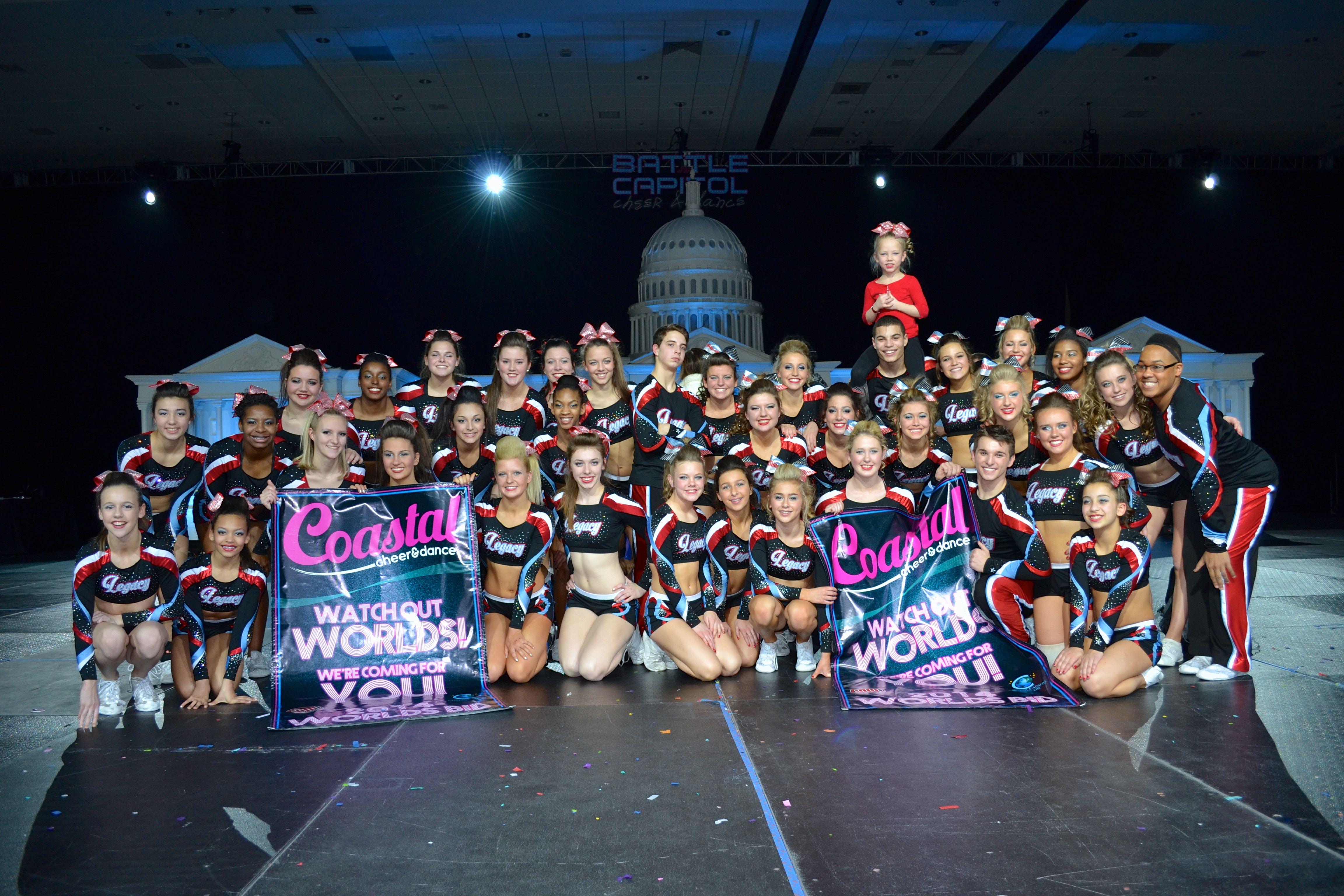
Trisha Hart, co-owner and coach, speaks about her motivation to open additional locations.
CP: How did you come to own multiple locations for All Star Legacy?
Hart: We never looked to expand. We never had the intention, but opportunities presented themselves. When things feel right, it’s right.
 CP: Was this personal for you, or was it about business?
Hart: I am passionate about the sport and the industry; I wanted to provide athletes what I had experienced. Our philosophy when it comes to coaching style is “kids come first.” Now we have four locations and 700 kids that compete, and that all came from one dream. I didn’t want to be bigger and better, but there is a financial reward.
CP: From a business standpoint, what did you look at before opening additional gyms?
Hart: We looked at profit and loss—it’s a very basic business model. You must make sure each location can operate on its own. You need to know your bottom line: facility and operational expenses, such as utilities, payroll, travel, equipment, insurance and taxes, as well as bank fees, merchant provider fees, competition fees/surcharges, uniform deposits and other associated costs that might show up. If you can’t keep the lights on, you can’t play the music.
CP: How do you deal with the geographical distance between locations? How do you split your time?
Hart: While we are one program with four locations, we make sure each can operate independently. We communicate day and night about concerns. We listen to those concerns, have conference calls and find solutions. We work together and I trust our staff. I don’t have a regimented schedule as to visiting each gym but I am always available. If an issue develops at one location, we will drop everything and travel.
CP: Any parting advice for others looking to grow their cheer programs by expanding beyond a single gym?
Hart: Don’t be afraid to ask for help. Ask anybody and everybody! We are in this industry together and there isn’t a guidebook. Though we are competitors, we are all in it for the kids.
Make Your Mark: Protecting Your Gym Brand
jen : April 28, 2014 12:08 pm : Down to Business| Web Exclusives You’ve worked hard to establish your own gym, creating a unique identity with colors, logo and uniforms. A few years later, having built a solid reputation, you’re at an event when in swaggers a brand-new team—wearing colors very similar to yours, a logo that looks awfully close to yours and (wait for it) practically the same name as yours, just with a different spelling.
Is this a scenario for yet another Bring It On movie? Unfortunately, no. It’s an all-too-common occurrence for many all-star cheer programs. In fact, that’s exactly what happened to Leslie Pledger-Griffin and her Renegade Athletics teams a few years ago. “We’re at a competition, they walk in [with] our same colors, same name, very similar uniform,” she says. “My kids and the parents were like, ‘What’s going on here?’”
Adam Rufkahr’s St. Louis, MO-based Platinum Athletics has seen its own imitators as well. “We actually have had two gyms that have started up using a version of our gym name or trying to copy older versions of our uniforms,” he says. “Thankfully they weren’t anywhere around us, so they didn’t really cause us too many problems, but it is frustrating.”
And Courtney Smith-Pope, owner of Cheer Extreme, was even surprised to find herself in the competition event business—or so it seemed when a company popped up called “Cheer XTREME Events” using actual photographs of her athletes in uniform, complete with her gym logo.
All three gym owners had put a lot of thought and effort into creating a brand for their own gym, so to see imitators was not something to be taken lightly.
“We have taken steps to protect ourselves locally and to keep things like our logo, uniform, routines, etc., safe from others trying to duplicate them,” says Rufkahr. “For instance, we ordered fully custom uniforms from GK to make sure that not only are we getting the best product in the business, but also they will not use or duplicate our design for any other program.”
Renegade Athletics and Cheer Extreme both have trademarked logos, according to their owners, but even that is not foolproof. “We went through the whole trademarking process several years ago, and unfortunately you can only trademark certain logos and certain words,” says Pledger-Griffin, giving the example of another team that is Renegade All-Stars—which she cannot prevent: “We can only protect Renegade Athletics.”
Logo is another entity that can be hard to make bulletproof. Adds Pledger-Griffin, “I can protect my certain logo that is on my website and my uniforms and things like that, but if [others] put any kind of discrepancy in that logo that would not make it exact, then you can’t really [prevent] that.”
Smith-Pope says that she uses her gym’s logo on all uniforms, rather than the words “Cheer Extreme,” as protection for her brand. “It’s harder to own the words ‘Cheer Extreme;’ it’s much simpler to trademark an actual brand symbol,” she says. “Any picture that involves any of our athletes automatically has our logo in it and subjects it to our rights. If things are going to be photographed, include your logo and (have) your logo trademarked.”
Jim Lord, executive director of the American Association of Cheerleading Coaches and Administrators, says that the first step to protecting your brand is to look at your gym as a business, not just something you love. Trademarking your team’s name or logo is simply protection, he says, because if you find your gym in conflict with another, having the paperwork registering your trademark is proof in your pocket.
Details matter as well: “The more specific you are about what you’re protecting, the better you can do,” Lord says. “You’re going to have a hard time protecting the words ‘Elite Cheerleading Center’ [because] it’s already all over the place. But what [you] could do is have ‘Elite Training Center’ and have a special way you put it together, our logo, whatever our mascot is, so you have a specific mark, that then really becomes more of what you can trademark.”
Lord also recommends gym owners go to their chamber of commerce for guidance on local laws. Having an attorney on retainer is helpful, he says, because they can be familiar with your business and ready to go to work for you.
“In some cases, a simple cease-and-desist letter from an attorney is going to be enough to make somebody change,” says Lord. “[It can] make the [imitator] re-think, do you really want to go to court over this or do you just want to come up with your own logo?”
Can there be a happy ending to these situations? Smith-Pope, for one, resolved the problem easily after a conversation with the event producer. “He was great about it, he took all the words down, he took down the pictures,” she says. “He understood and had an appreciation for the work that we’ve done and what we’ve built.”
Rufkahr says he felt it best to take the high road and that gyms with the same name can possibly co-exist. “I think it comes down to focusing on your gym and your product and making it the best it can be,” he says. “One thing my mom always told me is, ‘Imitation is the most sincere form of flattery,’ so when you look at it like that, really, it’s a compliment.”
–Jennifer Deinlein
Intrigued? Visit our blog for more tips from lawyer James Astrachan on the legal aspects of protecting your brand!
Timeline: Industry Innovations and Trends
jen : April 23, 2014 4:08 pm : In the Industry| Web Exclusives| webexclusive1 Did you ace our industry quiz? Enhance your knowledge even more with our comprehensive timeline of industry trends and innovations—from rebate plans to stay-to-play to custom uniforms—and find out how they came to fruition. (Please note: this is a living document! We are continually updating and adding more information. If you would like to add updates to our timeline, please email us at info@thecheerprofessional.com).
CHEERPROFESSIONAL INDUSTRY TRENDS & INNOVATIONS TIMELINE
Rebate Plans
2005 — Spirit Celebration creates its own rebate plan (attend 2 events = 15% back; 5 events = 20% back; 6 events = 20% back + a cruise)
2006 — Varsity Family Plan is introduced
2008 — The JAM Brands introduces the JAM Rewards
2010 — Cheer Ltd. and Mardi Gras Spirit Events join the Varsity Family Plan
2011 — IEP launches its I-Deal rebate program with companies like US Spirit on board
2011 — Epic Brands introduces Epic Rewards
2012 — Twisted Spirit introduces “Totally Twisted” gym profit program including elements of business advising, branding help and choreography service
2013 — Xtreme Spirit introduces Partner Brand Rebates (with partners such as Elite International Championship Series, Allstar Apparel, GlitzGirl Cosmetics, and Platinum Bows)
2014 — 15 companies including ACDA, Epic Brands and WSA join forces to introduce the “Season Pass”
 Custom Uniforms
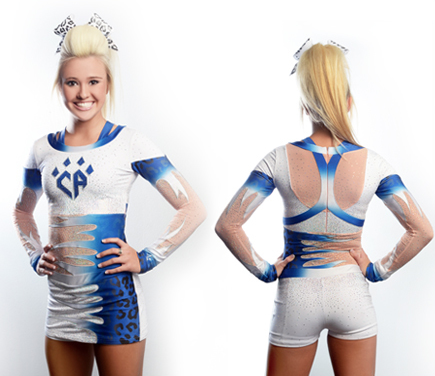
1999 — Teamleader launches its line of custom uniforms made in the U.S.A.
2008 — GK Elite makes its debut
2011 — Xtreme Spirit launches Allstar Apparel
2012 — Spirit Innovations merges with Varsity
2013 — Rebel Athletic signs on as Title Sponsor for Spirit Celebration’s 2013-2014 season
2014 — GK Elite launches a new sublimation line, “ink’d by GK”
Free Admission
2003 — All JAMFest events (except JAMFest Cheer Super Nationals) adopt a free admission policy
2011 — Spirit Celebration comes on as partner for “Cheer for Charity,” a free competition in Waco, TX benefiting cancer research co-hosted by Heart of Texas all-star gym
2011 — All Great Lakes Cheer Championship events (except Showdown Nationals) adopt a free admission policy
2011 — Epic Brands’ Reach the Beach Daytona event starts offering free admission to attendees
2012 — Reach the Beach Daytona adopts a free admission policy
 Multi-Brand End of Season Events
1996 — Xtreme Spirit debuts its Elite International Championship
2004 — USASF hosts the first Cheerleading Worlds competition in Orlando, FL
2006 — NLCC companies (American Cheer Power, AmeriCheer, Eastern Cheerleaders Association, Cheer America, Spirit Unlimited and American Cheer and Dance Academy) hold the first Final Destination event in Baltimore
2008 — JAM Brands and NLCC (Epic Brands and Spirit Brands) collaborate to rebrand and reimagine Final Destination as The U.S. Finals
2009 — UCA/UDA hold the first International All Levels Championship
2010 — Xtreme Spirit holds the first Elite International Championship series, to which teams earn bids throughout the season at partner brand events
2013 — US Spirit debuts THE ONE Cheer & Dance Finals
2013 — GSSA signs onto the U.S. Finals team to produce its West Coast event
2013 — Varsity debuts The Summit, an all-levels national championship, to replace the International All Levels Virtual Championship
2014 — Powered by Twisted Cheer & Dance, the “aerial sporting event” All Star Games has its inaugural event in Las Vegas with multi-brand partnerships with Nfinity, GK Elite, COP Brands (Mexico), New Zealand Cheer Union and the All Star Games Federation.
2014 — Nfinity and Aloha Spirit Productions launch The Champions League with accompanying feature film debut
Stay-to-Play
2005 — The Aloha International Spirit Championships in Honolulu begin requiring stay-to-play
2011 — Epic Brands events including Reach the Beach (Daytona, Ocean City All-Star and Ocean City Rec/School) and Battle of the Boardwalk join the stay-to-play fold
2011 — American Cheer Power adopts stay-to-play policies
2012 — Spirit Celebration switches from stay-to-play to “inform to perform” (providing flexibility to stay anywhere as long as accommodation information is provided)
2012 — NCA/NDA All-Star National Championships move to stay-to-play
2014 — JAMFest Cheer Super Nationals and Coastal Battle at the Capitol adopt stay-to-play policies
2014 — Cheersport institutes a stay-to-play policy starting with its 2014 National Championship
 Red Carpet Events
2007 — The JAM Brands debuts LIVE! The Authentic Red Carpet Experience
2010 — Varsity introduces Encore Championships
2012 — Spirit Celebration launches AMAZING Championships, where teams compete to benefit a charity of their choice and get to promote their cause on the red carpet
2013 — Xtreme Spirit debuts Premier Series events
2014 — Spirit Celebration debuts the Crown Jubilee, a “royalty-themed” end-of-year event with a masquerade ball/awards ceremony the night before the competition and a red carpet at the event
Note: All U.S. Spirit Nationals events are now red carpet events (no date available)
By-Invitation Events
2012 — The JAM Brands debuts The Majors
2013 — GK Elite signs on as official outfitter of the All-Star Games
2013 — Epic Brands debuts The Reveal, The Debut and Future 5
2014 — GSSA/Aloha Productions partners with Nfinity as the event producer for The Champions League
 Consolidation and Acquisitions
2003 — Spirit Celebration becomes official partner and host of CGA Small Gym Nationals; State Fair of Texas Championship; State Fair of Louisiana Championship; Dallas Cowboys Cheerleaders Fall Championship/Nationals events
2007 — The JAM Brands acquires America’s Best and Coastal
2008 — The JAM Brands acquires Great Lakes Cheer Championships and COA
2008 — America’s Best Championships and Spirit Innovations join the JAM Brands
2011 — ACDA/Spirit Unlimited become The Epic Brands
2012 — Spirit Innovations announces that it will now operate under Varsity Spirit Fashion
2013 — Xtreme Spirit acquires Wisconsin Spirit
New on the Scene
2010 — Twisted Spirit expands its focus beyond choreography to start offering events, starting with the Twister Treat event in New Zealand and Makin’ Noise for Toyz in Bloomington, followed by the launch of custom “3D events” (with live performances by Kickfull band) in 2012, and Unplugged (smaller-scale events) in 2013


