

In addition to all the great content we bring cheer professionals in our quarterly print issue, you’ll find plenty of original exclusive content right here at TheCheerProfessional.com.
Keep checking back for all the latest and greatest news, updates, debates and more!
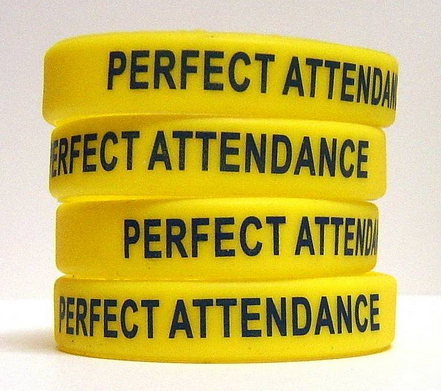 Jamie Gumina distinctly remembers being on the bus with her team and about to leave for JAMFest Super Nationals in Indianapolis five years ago. Energy was high, as the team had worked hard to prepare for the event—but that’s when she realized her base was missing. “We called her, and she said she couldn’t come because she was sick,” Gumina recalls. It was a huge setback for the group from Blue Springs, MO-based Gage Center, but cheer director Gumina got to work quickly.
“We reorganized the team in the little aisle of the bus,” she says. “I told the kids to be strong.” Their action plan? Pulling up a girl from another team to fill in for the absentee athlete. They managed to put the setback behind them and come off with flying colors at the event, placing in the top portion of teams and receiving a Worlds bid.
Yet the gravity of the situation didn’t go unrecognized by Gumina. “Missing practices is the single most important item to making or breaking an entire team. If even one person is missing, an entire stunt group stands around and the pyramid can’t go up,” says Gumina.
Dealing with similar attendance issues at your gym? Find out how to deal with the problem head-on:
Form an attendance policy. If your gym doesn’t have an attendance policy, it’s time to form one now. When Gumina set up her business 13 years ago, the gym had no attendance policy—a decision she now questions. “You were just expected to be there, and as one would expect, no one cared about being punctual,” Gumina recalls. She instituted an attendance policy at Gage Center five years ago, and it has made a huge difference in attendance. The specifics: the only excused misses are for mandatory school functions or cases of serious illness. Non-traveling athletes get two excused absences from August through April, as well as pardons for mandatory school functions; Level 5 athletes get three total absences, all of which must be excused.
Be prepared to abide by it. Sometimes you’ve got to be tough on kids who repeatedly defy the rules. Tracy Baker, director of Valley Elite All Stars in Easton, Pa., says the only time athletes are excused is for family emergencies, serious sickness and school grades. “If they miss for any reason apart from these, they’re removed from the program,” Baker says. Similarly, Gumina did not hesitate from removing her best athlete several years ago in light of her missing practice regularly. “It was a tough call, but we had to set an example,” she shares.
Leave no room for excuses. “Well, I didn’t know we had to be there” is a popular excuse many gym owners and coaches hear over and over again. To avoid this, California Flyers All Stars owner Shelly Gramatky puts out her full-year calendar at the beginning of the season. “We include when they have days off, holiday dates, whether we are practicing on school holidays or not (i.e., Veterans Day and Presidents Day). We always post our calendar online and give them a password so they have private access to it 24/7,” says Gramatky. Translation? No excuses for excuses.
Be prepared. Despite your best efforts, athletes will still miss practice at times, so a backup plan is necessary. To that end, Gramatky “keeps rosters of older kids that have moved on but still live in the area to call in case we need them to swoop in and save the day.” Karen Brenner, owner of Egg Harbor Township, NJ-based All Star One has developed a fill-in policy: kids who miss practice have to find someone from another team who can do their job. “So if we have a team of 20 and three kids aren’t attending, we have three fill-ins so we still have a full team,” she explains.
Explain your reasoning. Sometimes simple math can help explain to families how important practice is. Andrea McBride of Denham Springs, LA-based Leaps & Bounds Cheer Energy spells it out like this: “If Susie misses Tuesday’s two-hour practice and Sally misses Thursday’s two-hour practice, then that’s a full week of incomplete practices. That’s four of four total hours of practice busted for the week.” McBride adds that if two more athletes miss practice the following week, then the team then has eight hours of incomplete practice. “So, in four weeks of regular practices totaling 16 hours, only eight were full practices. That is only 50 percent! Who has ever done well at anything with only 50 percent efficiency?” she says.
Make up for what you’ve lost. Some gyms ask kids to do extra burpees or drills if they miss practice, but Gramatky is careful not to make it look like “punishment.” She says, “We try and put a spin on it: when you are late, leave early or miss practice, you lose out on getting stronger with the rest of the team, so adding the extra conditioning into your workout when you miss practices is kind of like a body make-up.” The athletes learn that being able to keep up with their teammates is important to reducing injury. “So we consider it a ‘practice make-up,’” concludes Gramatky.
At the end of the day, Brenner believes that what counts is making your athletes feel valuable: “We tell all our coaches to treat the kids such that they feel irreplaceable. If they believe they’re valued, they’re not going to miss no matter what.”
-Dinsa Sachan
Vetting New Events: A Cautionary Tale
jen : June 12, 2014 3:38 pm : Down to Business| Web Exclusives| webexclusive2 When Jam’s Athletics owner Elizabeth Marsh and her cheerleaders arrived at the Cheer Nation Nationals, they were looking forward to the opportunity to compete; in fact, one of the Jam’s Athletics teams was preparing for their first-ever performance. Instead, they got a heartbreaking surprise.
“The day of the competition, we came in, and there were no mats, pretty much nothing set up,” says Marsh, who was approached by a representative for event organizer Halee Yates to see if they could borrow Jam’s Athletics mats and spring floor at the last minute. This was not only an unusual request from an event producer, but a tall order, according to Marsh. “I don’t have Velcro strips for my spring floor; we actually screw ours in. But I was willing to do it so that the children would have an opportunity to perform. [However,] things went awry from there.”
As reported widely in the media, it turned out the venue wasn’t suited to hold a cheer competition—the ceilings weren’t high enough. Arguments erupted between frustrated coaches, parents and the event organizer, and ultimately, the hotel asked attendees to evacuate because the event hadn’t fulfilled its financial agreement. Teams did not receive a refund. “I had to eat the cost, because I can’t charge my parents for that. I refunded their money,” says Marsh.
Before a big cheer event, there’s often a lot of buzz, but the Cheer Nation Nationals aren’t the only event that turned out to be purely hype. For instance, last year’s Revolution Cheer event sounded like it was destined for success—with powerhouse gyms like Cheer Athletics, Cheer Extreme and Maryland Twisters set to compete—but when the event lost its backer, it ended up getting canceled. Moral of the story? Investing energy, money and faith in new events can often be a risky roll of the dice for any all-star gym.
So how can you vet events properly? Get some pointers from those who’ve learned the hard way:
Do your research. Craig El, co-owner of Ultimate Athletics, prides himself on paying attention to the details before signing his teams up for an event. That’s why he was thrown when the Revolution event went sideways: “I thought The Revolution was a good option,” he shares. “When they chose to come out to the NACCC event that we held at our gym and spoke and did a phenomenal presentation, we bought in 100 percent—not only for the team that they invited, but also with multiple other teams in our gym.”
Is there any way El could’ve foreseen The Revolution’s cancellation? He doesn’t believe so. Even though he always does due diligence, it doesn’t come with any guarantees. “With a lot of these newer competitions, it’s kind of a crapshoot,” admits El. “There really isn’t very much to go off other than previous history of the actual event, and general word of mouth from coaches, owners and industry insiders.” For first-time events, he’s now especially cautious: “If you do support that event, maybe send a few of your teams, not all.
Checking out the event’s background wouldn’t have helped in the case of Cheer Nation. Elizabeth Marsh explains, “There was no way to foretell that this competition wasn’t going to go well or wasn’t going to happen…this was not a brand new event. [Halee Yates’] dad had put on Cheer Nation [events] for years, and it was very successful.”
Trust your instincts. When Elizabeth Marsh was late signing Jam’s Athletics up for the Cheer Nation event, Yates told Marsh that a check would take too long to clear and she didn’t have the ability to process a credit card. Marsh says, “Unfortunately for the first time in all of these years, I paid cash,” shares Marsh. “I never should’ve done that. It was going against every fiber in my whole being, but I did do it.” Other coaches that signed teams up for Cheer Nation reported making checks out directly to Yates, which could be another red flag.
If an event is having funding issues, they may ask cheer gyms to participate at a higher level than they feel comfortable. Craig El says when The Revolution lost its backer and teams started pulling out, they came to gym owners and asked if they’d be willing to participate at different levels, as well as offering part ownership of the event. At that point, he says, “It was just was something that we were like, ‘Nope, no. Not interested.’” The event ended up getting cancelled because so many gyms pulled out.
With any big event, there’s always a chance something could go wrong—event producers and backers are human, after all. Get as much information as you can beforehand, and you’ll be more likely to protect yourself and your teams from disappointment.
Editor’s Note: Both Cheer Nation and The Revolution were contacted for comment on this article. The Revolution’s phone number has been disconnected, and Cheer Nation did not respond. A statement on the Cheer Nation website says that they are “working around the clock” to try to compensate those who paid for the cancelled event.
 It may sound like just another trendy buzzword, but “volun-tourism” is a very real trend. A 2008 study by Tourism & Research Marketing found that an estimated 1.6 million volunteer tourists take “ethical” holidays where they have an opportunity to experience another culture while performing philanthropic actions. Yet another 2008 survey by University of California-San Diego researchers found that 45 percent of Americans said they’ve considered taking volunteer vacations, and 72 percent knew someone who had been a global volunteer. If you’re thinking about joining their ranks, get inspired by these three inspiring stories from cheer professionals who’ve been there and done that:
Bringing Cheer to Belize: Virginia Baldwin
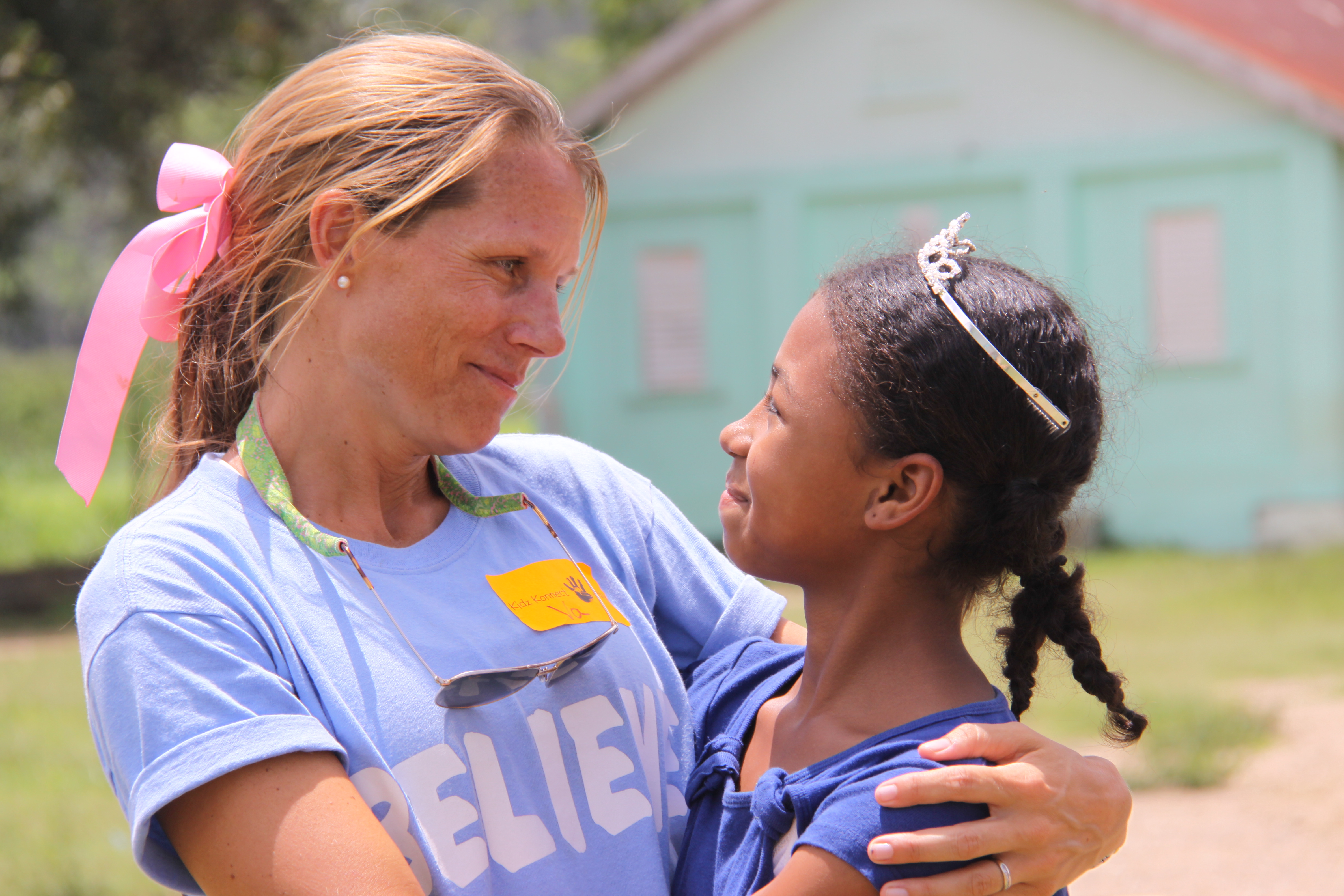 In 2013, Virginia Baldwin, owner of All-American All Star Cheerleading and coach at Mechanicsville, VA-based Hanover High School, traveled with her two daughters and several athletes to Belize, where they conducted youth cheer camps and engaged in community service projects. In a country that places little value on females, Baldwin was gratified to help to raise self-esteem and put smiles on young faces through individualized attention—and some cheer bows. “To see the joy in these little girls’ faces is a beautiful thing. We think we are changing someone else’s life, but our lives are the ones that are changed,” she says. “A little piece of my heart is in Belize.”
Baldwin’s life-changing experience inspired her high school cheerleaders to climb aboard. Last year five of them accompanied her; this year, 10 will make the trip. “To take kids from upper middle-class families to a third world country is eye-opening for them. They see what these kids eat and how they live—but they bond like you can’t imagine,” she says. “I hope the lesson is something that will carry through to adulthood. It’s all about loving one another. There’s no better way to do this than to spend time with someone in need.”
Back home, the experiences in Belize have restored Baldwin’s love for cheer. “It’s given me a new vision for the way I coach. It’s not just about winning. It’s about self-worth. I love having the privilege to coach and want to mentor young girls, to let them know someone believes in them,” she says. “It brings us back to center and makes us realize what’s truly important in life.”
Getting Schooled in Bolivia: Sydney Cottle
 The spirit of giving comes naturally to Sydney Cottle. A cheerleader and senior at Portland, OR-based Lake Oswego High School, she participates in the Susan G. Komen Cheer for a Cure event, ties fleece blankets and donates them to the Portland Rescue Mission and volunteers every Sunday with Team Shine (Oregon’s first cheer team for athletes with special needs). But she sought something more. That “something” became a three-week trip with Humanitarian Experience for Youth (HEFY) to Bolivia, where she helped construct a school and worked at an elderly care facility.
During her stay, she and 20 other teens from across the country engaged in some heavy-duty construction work. “Things were very prehistoric there. We didn’t have any big machines to mix cement; everything was done by hand,” says Sydney’s mom, Michelle Cottle, who accompanied the group as a parent helper.
In addition to intense labor, the group played with the Bolivian children and attempted to teach them the English alphabet. Even though Spanish is the country’s native language, the language barrier proved to be only a minor challenge.
Originally intended as a way to initiate change outside of her immediate community, the trip fostered a transformation in Sydney. “I’m a lot more grateful for what I have. These people have so little, but they always manage,” she explains. “I’m happier and more outgoing. Just to see what others go through on a daily basis is eye-opening.”
From Reluctant to Rewarded: Melanie Randolph
 Unlike Cottle, Melanie Randolph was not initially sold on the idea of an overseas mission trip. “I thought staying at a Holiday Inn was roughing it,” says Randolph, who owns Danville, CA-based Spirit Force Cheer & Dance. But she changed her mind when she and her husband were recruited by a missionary in 2007 to travel to Pazardzhik, Bulgaria. There they taught Christian drama stories in several gypsy villages and also helped feed the citizens; the trip was so impactful that they made it an annual endeavor from 2007 to 2011.
In retrospect, Randolph emphasizes that she received ten-fold back what she gave to the Bulgarian people. “God’s given me so much. All I can give them is me,” says Randolph, who is a member of the Christian Cheerleaders of America (CCA) advisory board. “I’ve gotten more out of it than they did.”
Randolph also points out that the experience for the children who also made the trip with Macedonian Outreach was life-changing. “To get the kids to experience this is very important. It took me almost 50 years to do something like this. Imagine what I could have done if I started earlier,” she says. “When you step outside your comfort zone, it changes your heart.”
Looking for ways to diversify? Find out which “extras” can help you boost revenue—and get insider intel to determine which ones are the right fit for your gym.
| THE EXTRA: | WHAT TO KNOW:
|
WHAT TO WATCH OUT FOR: |
| Birthday parties | ACX owner Randy Dickey views birthday parties as a great way to woo potential clients. “When you have a birthday party, a kid from your gym brings 20 of their friends in who’ve never even heard of your company before,” says Dickey. He suggests capitalizing by “handing out a coupon to every kid for a free class, or offering some type of promotion [like], ‘Hey, if you come in within a week, you’ll get X amount off your first month’s tuition.’” | Make sure you have the right people working the party. Dickey explains that you don’t want “some high school girl that’s on her phone Facebooking the whole time and not paying attention.” Also, be sure you have the bandwidth to do it right—if the facility isn’t ready when people arrive, it leaves a bad impression on potential new clients: “You want a smile behind the desk when everyone walks in and somebody to inform them where to go. From head to toe, you have to put on a show.” |
| After-school programs | Parents don’t see these as an “extra”—they see them as an essential, and your gym can profit by supplying that demand. Marilyn Noon, co-owner of Polk Aces, says, “Working parents need childcare. Parents pay consistently because you offer a service they need. If they don’t pay you, they will still have to pay someone, so it’s typically already built into their budget.” | Before getting started, Noon recommends conducting a market survey within your own gym to find out if enough parents are interested. Also, arranging pickups from multiple schools can be tricky. To maximize profits, familiarize yourself with local dismissal times so you can pick up from as many schools as possible with just one vehicle. |
| Gym rentals | Midwest Cheer Elite rents gym space to a personal trainer. Owner Tanya Roesel appreciates that the personal trainer brings new faces into the gym. “We get a lot of moms that come in while the kids are in school, and I bet 50 percent of them sign their kids up for tumbling,” she estimates. “The personal trainer does a [fitness] class at 7 pm, and the kids will tumble with us while their moms work out.”
|
To protect your reputation, it’s crucial to perform due diligence on your new affiliation. “Make sure you do background checks on whomever you’re renting it out to because you’re basically giving them access to your business,” cautions Roesel. “Anyone coming into your gym and running a business out of it must have good morals and ethics, because if they have a bad background, it could ruin the name of your gym.” |
| Mommy & Me classes | Roesel also offers Mommy & Me classes at Midwest Cheer Elite, and she’s happy with how they’ve worked out so far. She says, “Mommy & Me does pretty well, and it’s in the daytime when we don’t have as much going on. During the school year when the older siblings are in school, it’s busy.” | If you want to offer Mommy & Me classes, find a time during the day. Roesel explains, “That type of class is not going to work in the evenings. Unless you have a dedicated area for pre-school tumbling, you aren’t going to want 2- and 3-year-olds running through your gym at 7 pm when you’re working with Level 5 athletes.” |
| Dance team | Rena Blanchard, director of operations at Charlotte All Stars, points out that offering a dance program can make life easier for your clients. “We have a large base of athletes who have siblings who dance, so the families like the convenience of being able to bring the dancer sibling to our gym, rather than going to two different locations.” | Blanchard emphasized that it’s important to find the right person to lead the program. “Since dance is not our expertise, we needed to bring an expert in to work with us.“ She also suggests researching other dance studios in the area and checking which ages they serve. Blanchard believes it’s best to start slow— Charlotte All Stars offers dance at just one of its five locations. “Eventually we’d like to turn that into a competitive team, but right now it is strictly instructional.” |
| Tween dances | Bel Air, MD-based Eastern Elite All Stars holds a series of dances called “Second Saturdays.” Trisha Quinn, president, describes the set-up: “We have a dance room that has some wood flooring, and we bring down two sofas. We also rent little circle tables, a popcorn machine and a pizza oven. It’s $10 to get in, which includes a black light lounge. We only offer it once a month so it becomes a special event.” | Knowing your audience is key. Quinn says they avoided catering to high school students because their “biggest concern was if they were going to try to sneak in alcohol or do inappropriate dancing.” Instead, they started off holding dances for middle-schoolers, but learned a surprising lesson: “Believe it or not, the kids that are taking to it are the younger, elementary school kids. They absolutely love it.” |
–Lisa Beebe
Game Changers: American Elite
jen : June 3, 2014 12:33 pm : In the Industry| Web Exclusives| webexclusive2 It’s not uncommon for parents to become close when their kids cheer together. What is unusual is for that friendship to blossom into a full-fledged, profitable and fun business.
For Wanda and Gary Whipkey, Caryn Hale and Laura Dudley of Tallmadge, Ohio, starting American Elite Cheerleading in 2005 made sense because of their combined enthusiasm and experience volunteering at the all-star gym where their daughters trained. They just weren’t the ones who came up with the idea.
A bit of background: the gym owner they’d invested their time with wasn’t eager for bigger numbers despite them tripling after the parents started helping coach. When the Whipkeys, Hale and Dudley met Elaine Pascal of New Jersey’s World Cup All Stars at a conference, she remarked that the four of them should consider opening a gym.
“She said, ‘You could do this on your own,’” recalls Wanda Whipkey. Coming from the owner of one of the country’s most successful cheer gyms, those words resonated. Little more than a week later, the four budding entrepreneurs had a loan, a building, equipment and clients.
Now, with American Elite Cheer heading into its 10th year this July, the owners and their athletes have plenty to be proud of besides longevity. The all-star cheer program, which started out with 50 athletes, now boasts around 300. They’ve been nominated for the USASF’s Chairman’s Cup twice, have received full paid bids to U.S. Finals and have been Worlds bid recipients for the last seven years.
The gym’s Cheer Charity Classic event gives them even more to rally around. To help support the Akron Children’s Hospital’s Reach Out and Read program, American Elite hosts an annual competition that has donated around $150,000 total and collected tens of thousands of new and gently used books for kids in need. Giving back is a big part of the gym’s culture with many ongoing service projects.
 However, American Elite’s success hasn’t come without growing pains. Early on the owners realized that all-star tuition wasn’t going to sustain the business, particularly since their season runs June to March to allow for a training break. Whipkey reached out to other gym owners to tap into their success strategies, but “there wasn’t anything they could point to that made them successful other than that they had these routines that stuck.” She knew it would take more than killer choreography and top notch coaching for the gym to succeed financially.
Drawing on her prior experience in the consumer electronics industry, Wanda pushed to hire a consultant in 2006. Though initially nervous about the cost, the team ended up hiring Frank Sahlein from 3rd Level Consulting, and his recommendations paid off.
On his suggestion, Whipkey and crew turned their energies toward the budget and alternative ways to generate income. They diversified by utilizing the large space and equipment to start new programs—particularly the non-competitive American Elite Kids recreational program, which proved to be very successful. Building on that success, the owners created additional programs, including preschool outreach, parents’ night out events, Saturday classes and birthday party services. They also began renting out the gym to recreational cheer teams for their tryouts and hosting a for-profit competition for high schools and recreational teams.
The next year they added a separate choreography business, DZine, and have plans for a summer camp this year. There are now more than 2,400 clients who utilize the gym’s various programs. All-star cheer still makes up the biggest part of the gym’s revenue, but the rec classes are a close second. The fastest-growing program is the preschool outreach with its mobile gym, which is due in part to its director’s ambition.
“It’s not hard to come up with ideas for how to diversify,” shares Whipkey, who hopes to open a second location. “The difficult part is finding the key people and partnering with them, having people in your organization to problem solve and take something and make it a career.”
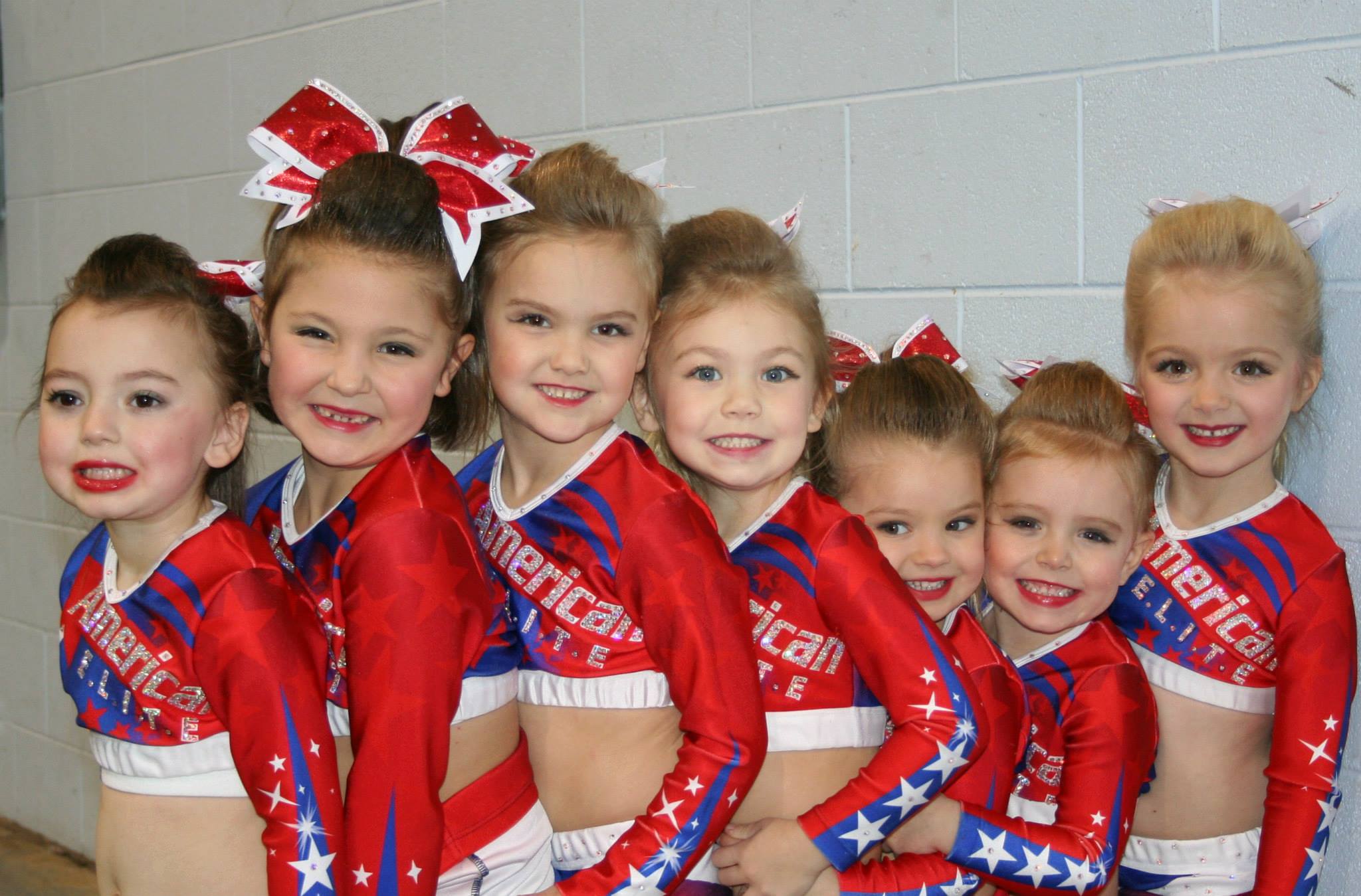 They fine-tuned the organizational structure with concise job descriptions. Putting dependable, dedicated directors in place to focus on key components of the business enabled ownership to remove itself from the daily tasks and work on bigger-picture projects. “Once we did that, our business grew about 150 percent,” says Whipkey.
While that was all good advice, there were still more tweaks made along the way. The American Elite Kids program, they realized, needed rebranding. “Our building is full of trophies, but we had to think about how to reach those moms who don’t necessarily want their kids to compete,” says Whipkey. They hired a branding company to help drive the message home that the program’s focus was health and fitness.
“One of the things I like to tell people is give yourself the gift of having a coach,” Whipkey says, whether that comes in the form of consultant, external company or actual coaches at your gym. “We felt we should be able to figure it out from our combined experiences, but we realized we did need the outside help.”
–Arrissia Owen


